|
 |
 |

|

|
 |
 |
 |
 |
 |
 |
 |
 |
 |
 |
 |
 |
 |
 |
|
Ron Pucek's Living Waters Catfish Farm
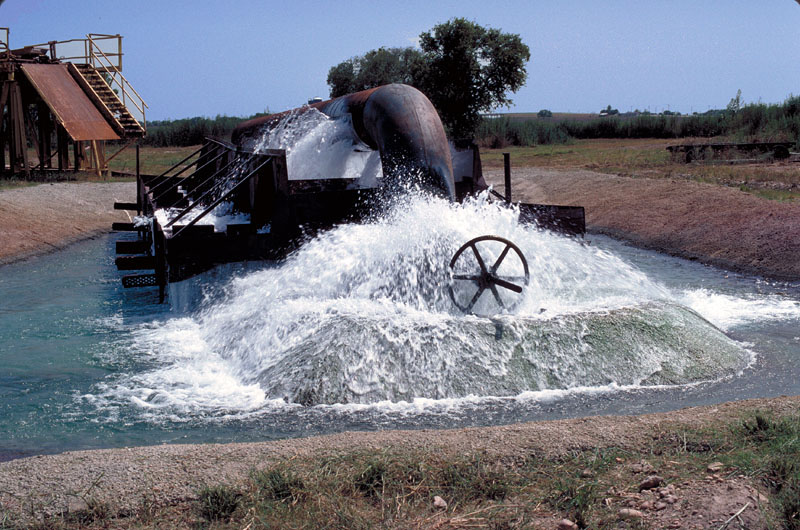
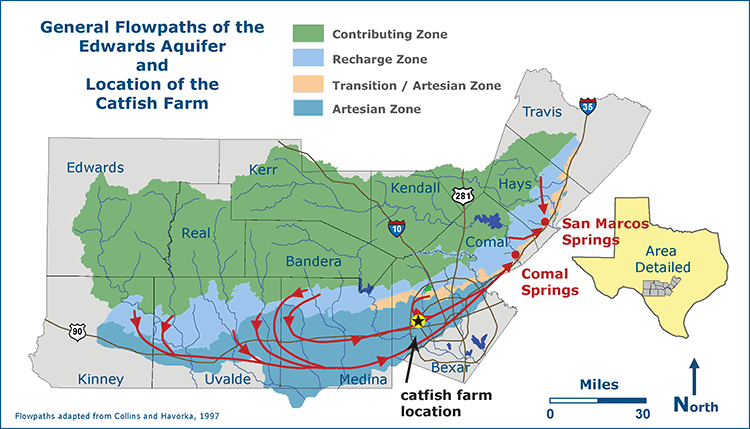
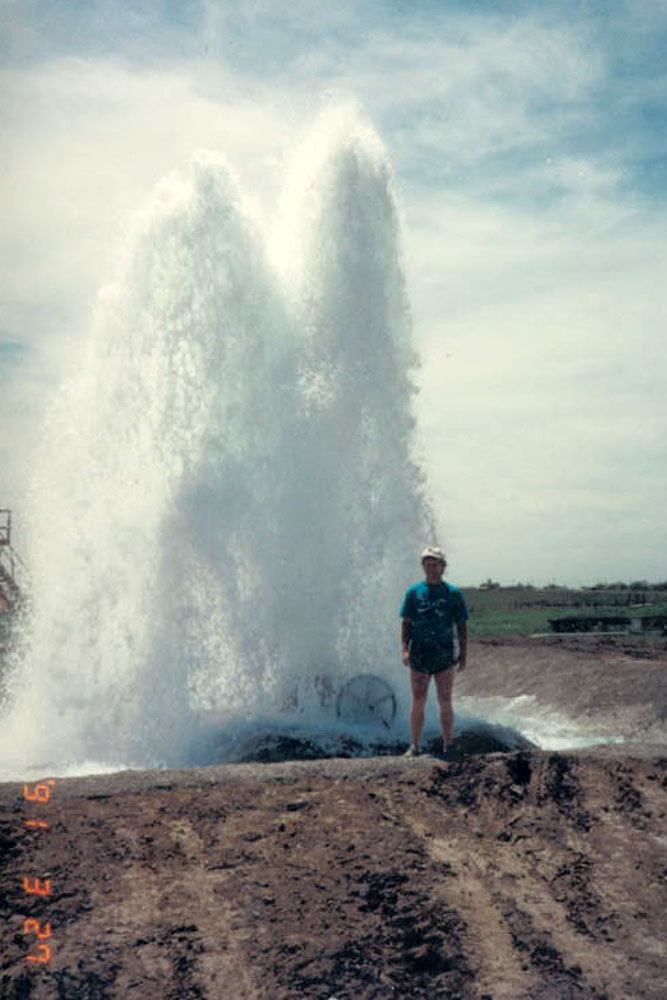
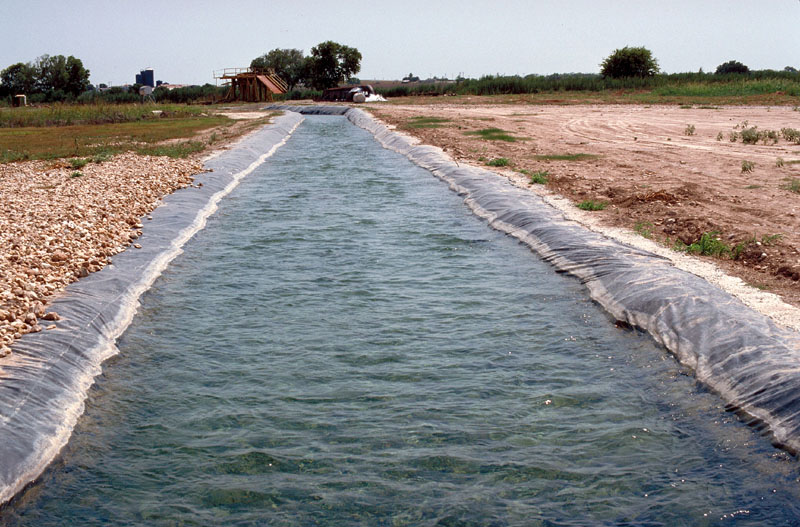
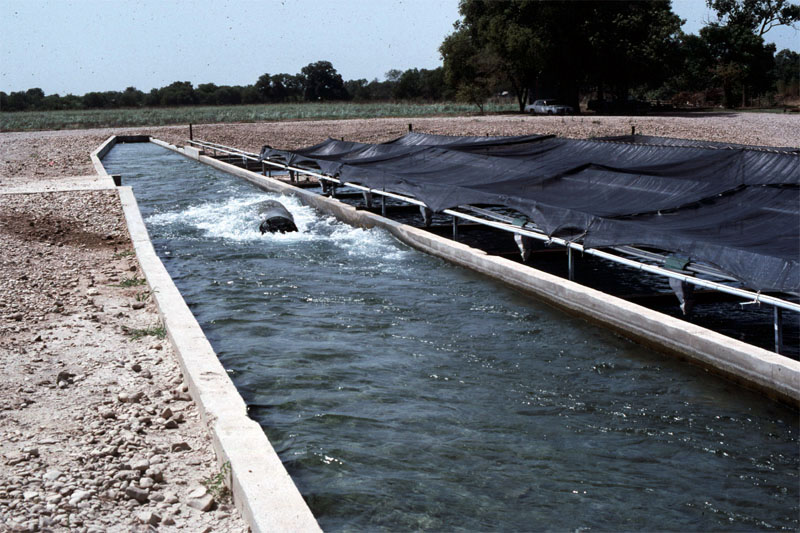
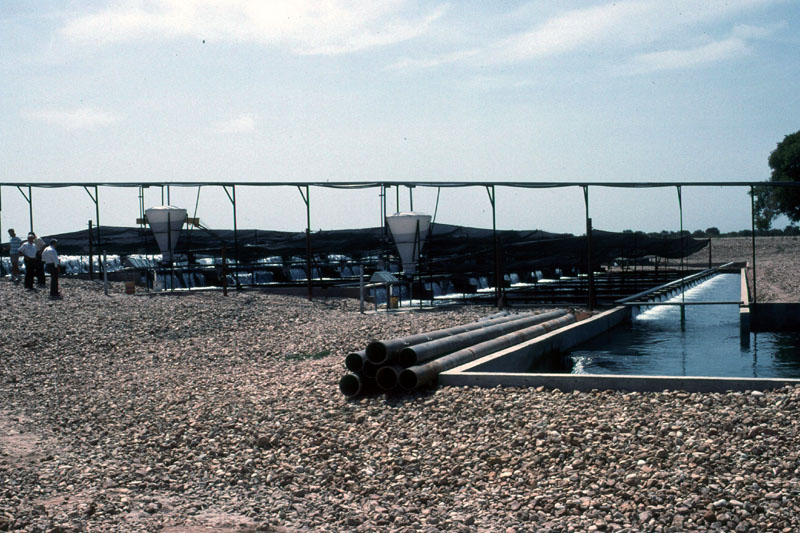
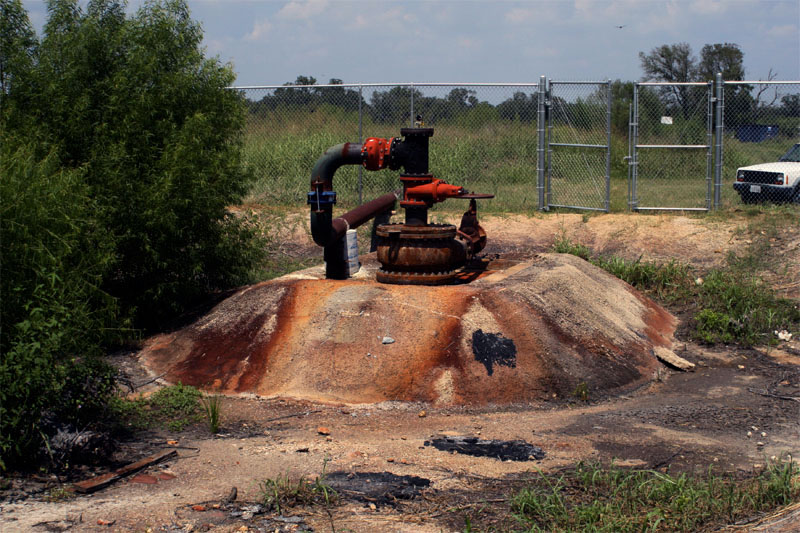
There is tremendous artesian pressure at this location. When this well came in, it blew out rocks the size of basketballs 20 feet into the air. The well was massive . . . 30" in diameter and capable of producing 40 thousand gallons per minute. Water came out of the ground at 89 degrees, and by the time it flowed through a canal and into the raceways, it was the optimum temperature for raising fish - about 86 degrees. Since the volume of water passing through the raceways was so huge, there was little concern for disease among the fish and the quality of water discharged to the Medina River was very high. However, because small amounts of fish pee and other impurities were present, the water was classified as an untreated waste and was not considered potable. Not that it really was potable to begin with - the site is close to the fresh/saline water interface of the Edwards and in addition to having an elevated temperature, the water had a distinct sulfurous odor, which is very common of Edwards wells in this area. It probably would not have been considered suitable for distribution to humans. The catfish farm was in full-swing operation for only one season in 1991 before it was forced to shut down because of the fish pee. It wasn't the huge volume of water that was the problem - it was that Pucek lacked a permit under the Clean Water Act to discharge water into the Medina River. In February of 1996, the farm reopened using only 2% of the previous flow to grow a small crop of catfish and some ornamental Japanese koi. A holding pond was built, and the idea was that all the water used would be retained on the property. Mr. Pucek did not need a discharge permit if the water did not leave his land. However, the Edwards Underground Water District asserted the design of his holding pond was faulty and that water was still being discharged to the Medina River illegally. Facing tremendous legal costs, Mr. Pucek agreed to truck his fish elsewhere and once again shut down the farm.
Was this use of water a waste? Mr. Pucek and his supporters spent over $1 million to drill the world's largest water well and build raceways, and they produced a healthy food crop that could have been worth up to $25 million per year. Many argued, however, that no one should be able to use that much water. On the other hand, the law was on Mr. Pucek's side. And his use of the water was almost completely non-consumptive. All the water he used was available for nonpotable re-use by others, and to many it seemed his use of water to grow a food crop seemed much less "wasteful" than using it to keep lawns green in the summertime. In the eyes of water officials, Mr. Pucek was a heinous waster of a precious resource. In the eyes of many farmers, he was not much different from them and was being singled out for criticism. The whole situation pointed up the need for a set of ground rules and standards that everybody in the region can follow and can be expected to live by.
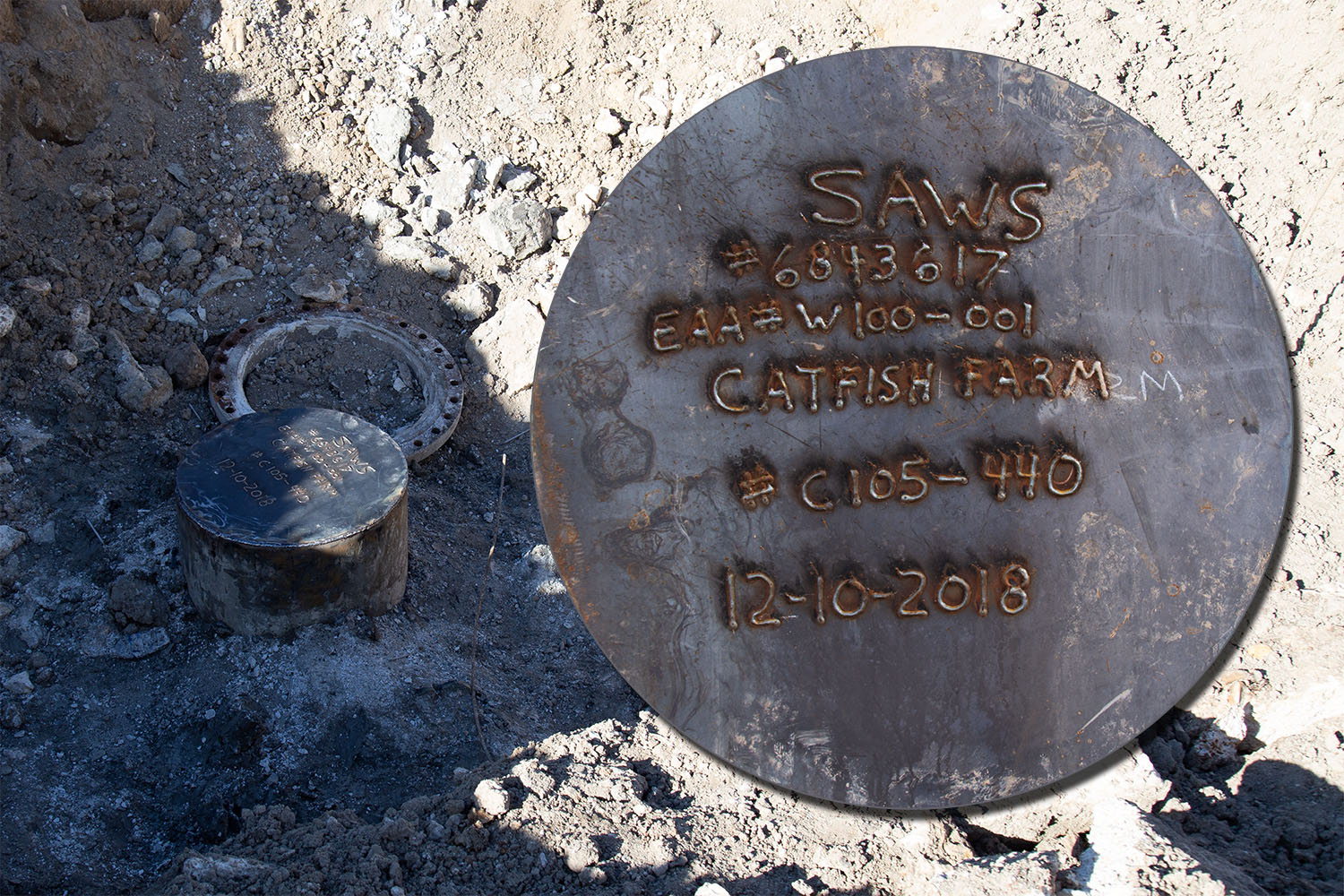
When users were asked to file pumping permit applications with the EAA, Pucek claimed a maximum historical use of 46,483 acre-feet. In 2000 the EAA proposed a permit for 17,724 acre-feet. On December 5, 2000, the San Antonio Water System board of trustees agreed to buy Ronnie Pucek’s catfish farm and most of his water rights for $9 million. The sale included 10,000 acre-feet of pumping rights for the city, Pucek’s 85 acre farm, the right to lease Pucek’s all or part of his remaining 7,724 acre-feet for $25 an acre-foot for five years, and the right to match after that any offer Pucek might receive to buy or lease the rights. All the amounts were contingent on how much Pucek ended up with in Edwards rights, as his permit was not yet finalized at that time. The sale brought an end to almost a decade of contentious squabbles and closed out the possibility of future litigation. SAWS board chairman Juan Patlan said “Pucek and his financial partners were very smart, very shrewd. They were watching what was going on, and they gambled that eventually they were going to have the right to a lot of water, and they were right.” In August 2002, the Edwards Aquifer Authority cleared the way for SAWS to make an outright purchase of Mr. Pucek's water rights by finalizing a permit to pump 22,500 acre-feet per year. The final value of 22,500 represented a compromise that would keep both sides from having to endure years of litigation. In May of 2003, SAWS purchased additional tangible assets of Living Waters Artesian Springs, Ltd, including the well, and an additional 3,125 acre-feet in water rights. The sale left Pucek's partnership with 9,375 acre-feet in water rights, which SAWS then acquired in December of that year for $15.5 million. Overall, SAWS paid Pucek more than $30 million for water sales, leases, land, and equipment. In October 2006, SAWS modified the artesian well to convert it into a monitoring well for a saline water line study. As mentioned above, the well was very close to the interface between fresh and saline water. The well was rather large for serving the purpose of a monitoring well, so in 2007 SAWS drilled a separate monitoring well on the property and in 2009 it stopped using the famous irrigation well. In June of 2010, SAWS declared the property to be surplus to its system and in March of 2011, Bexar county agreed to purchase the property from SAWS for a flood control project to alleviate flooding in the city of Von Ormy. That deal fell through, but in August of 2013 the SAWS Board of Trustees approved a sale of the 85-acre property to the San Antonio River Authority for $315,000, which intends to utilize it for an expansion of its parks system along the Medina River and for stream restoration projects. SAWS reserved a right of access to the monitoring well and a no build restriction around the well site. Because the well is close to the fresh/saline water interface and produces warm water with an elevated salt content, it deteriorated over the years much faster than a normal Edwards water well. In December of 2018 SAWS plugged the well, thereby writing the last chapter in the story of a well that forever changed how the region manages and views water. The photographs below were taken during the short period in 1991 when the farm was in full-swing operation.
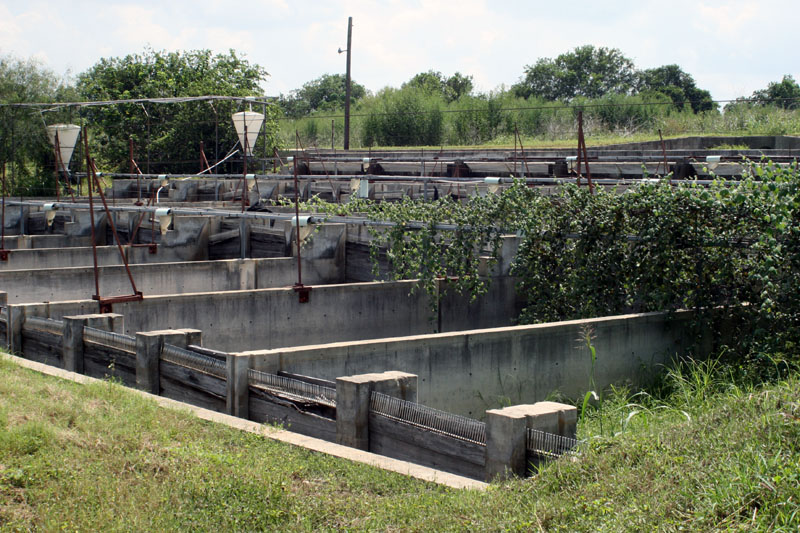
A few photographs taken in 2007, some 16 years after the fish farm's heyday.
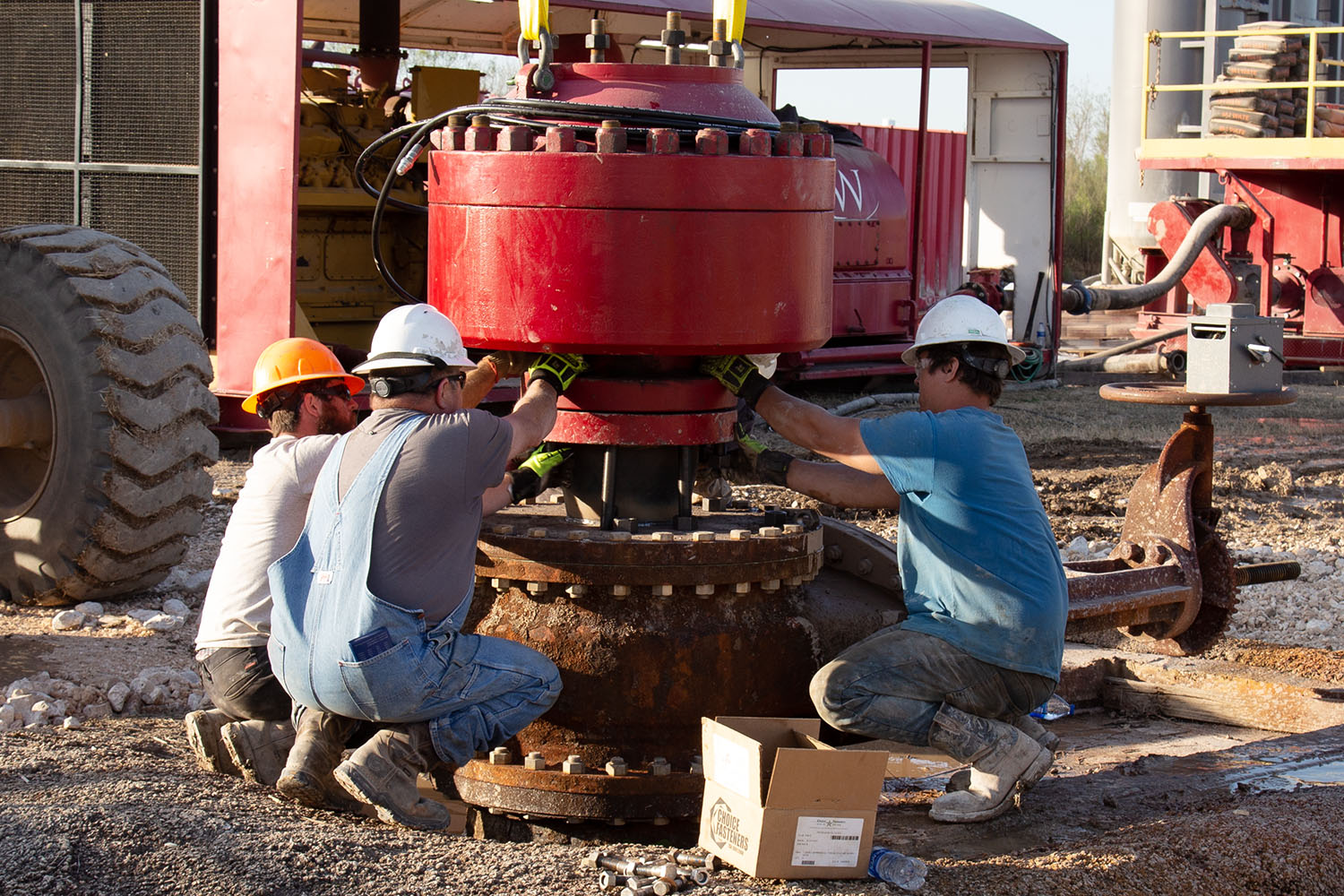
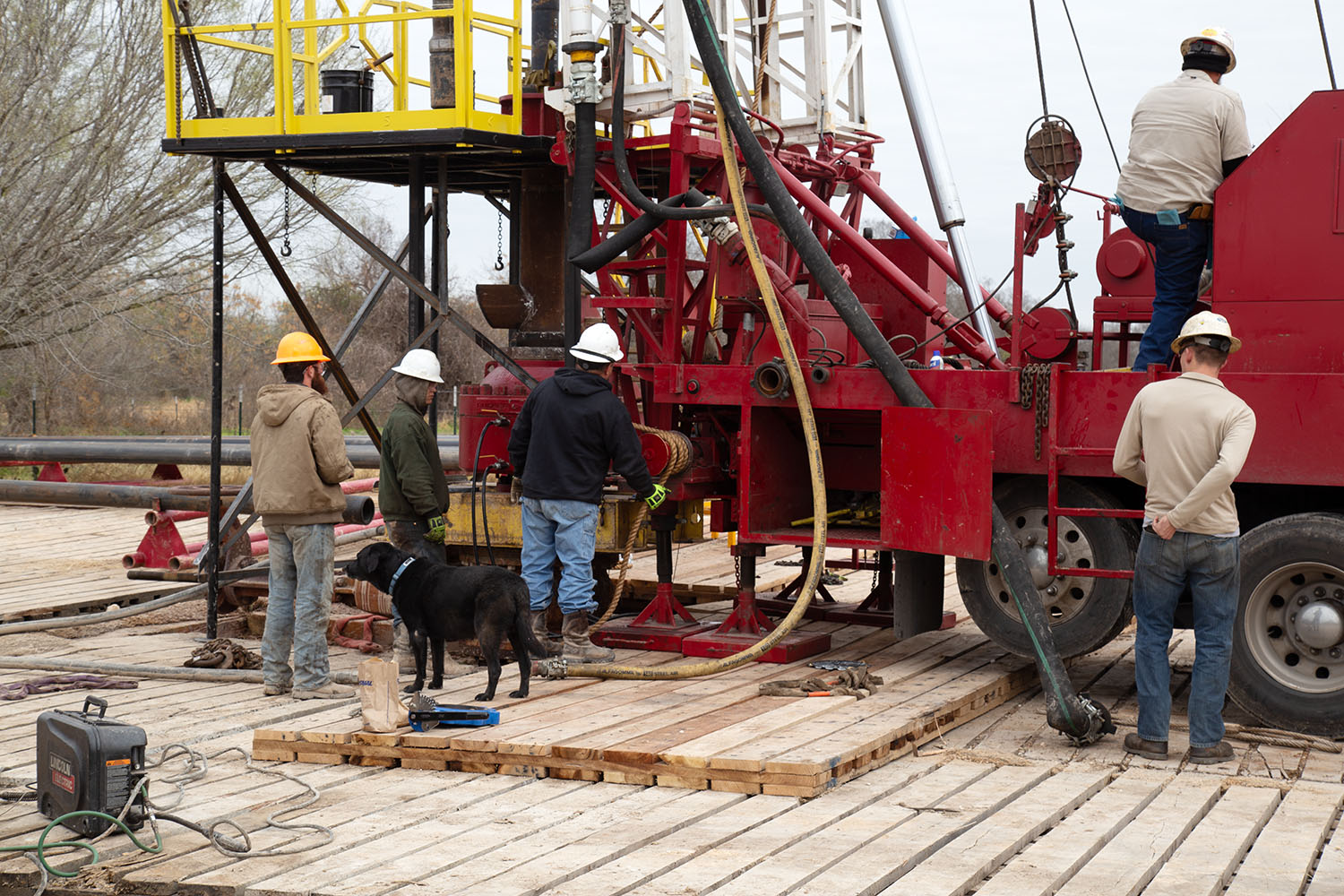
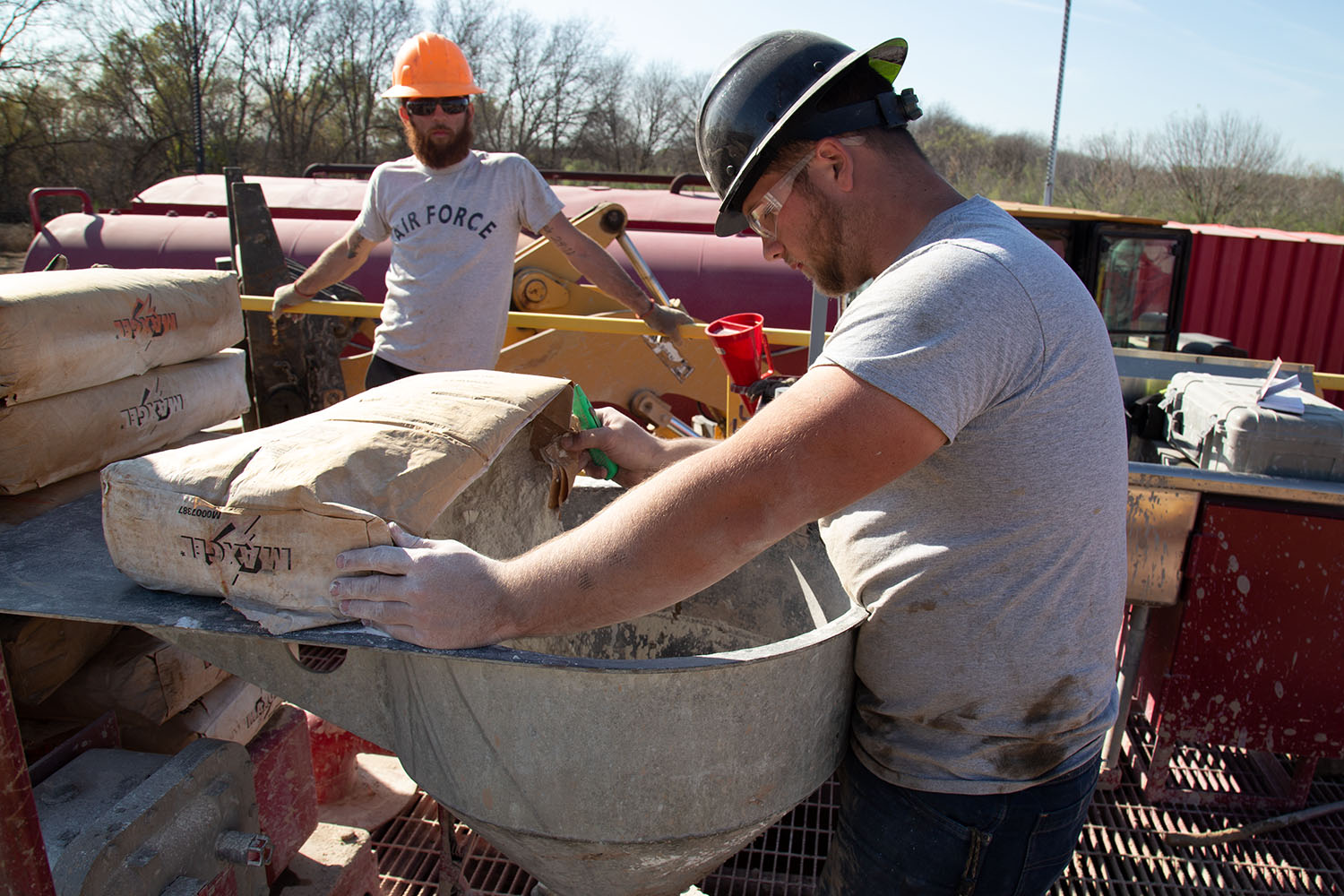
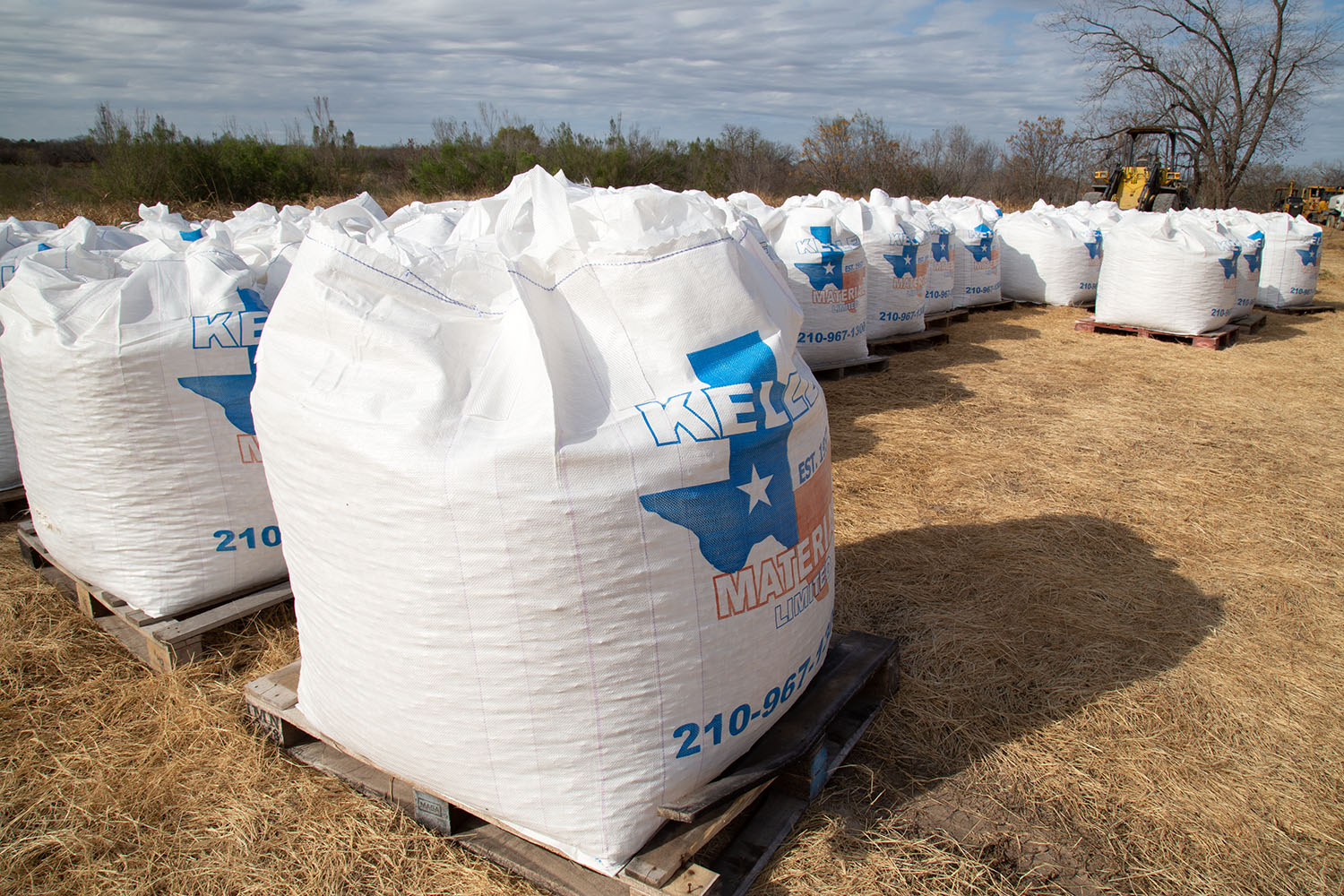
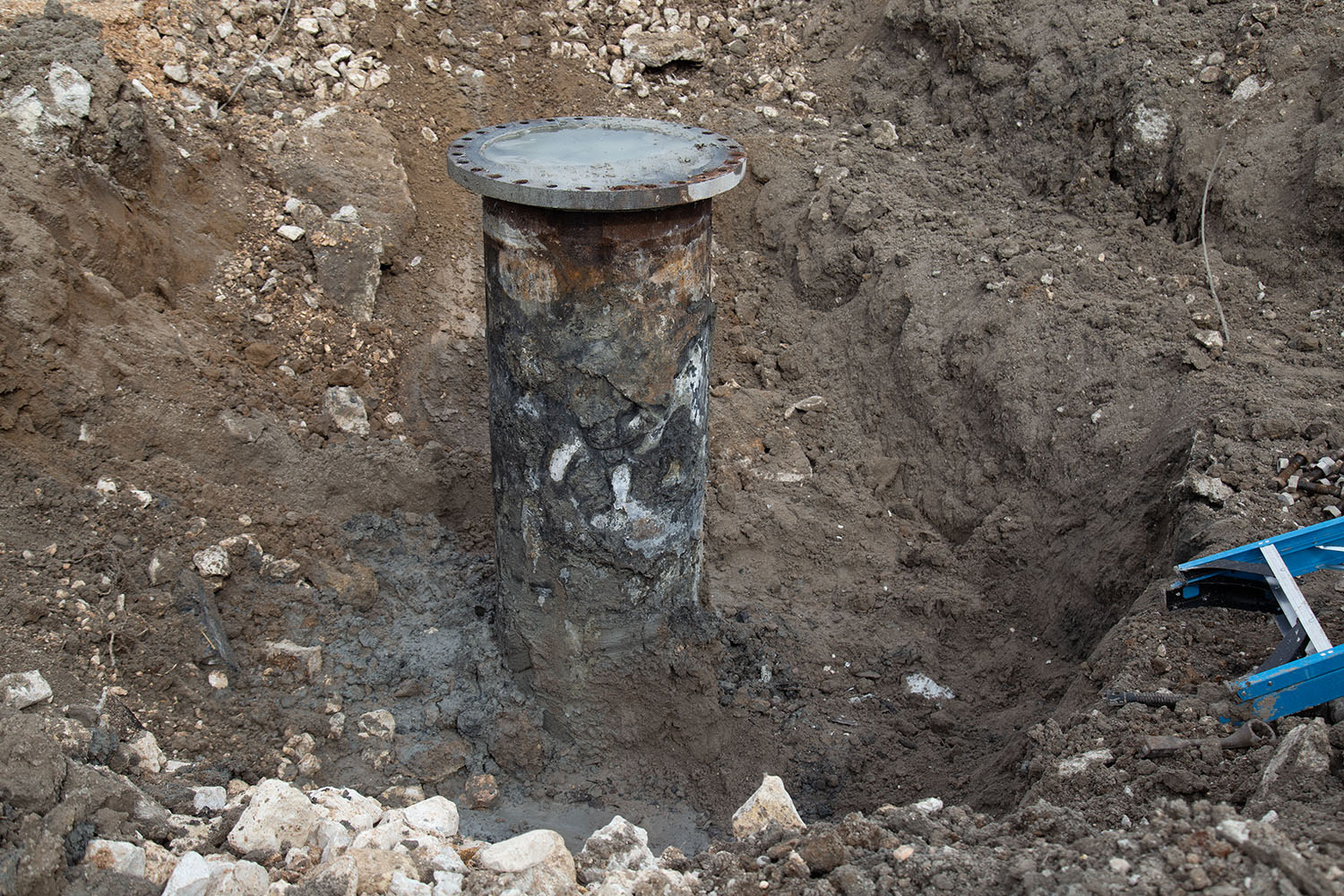
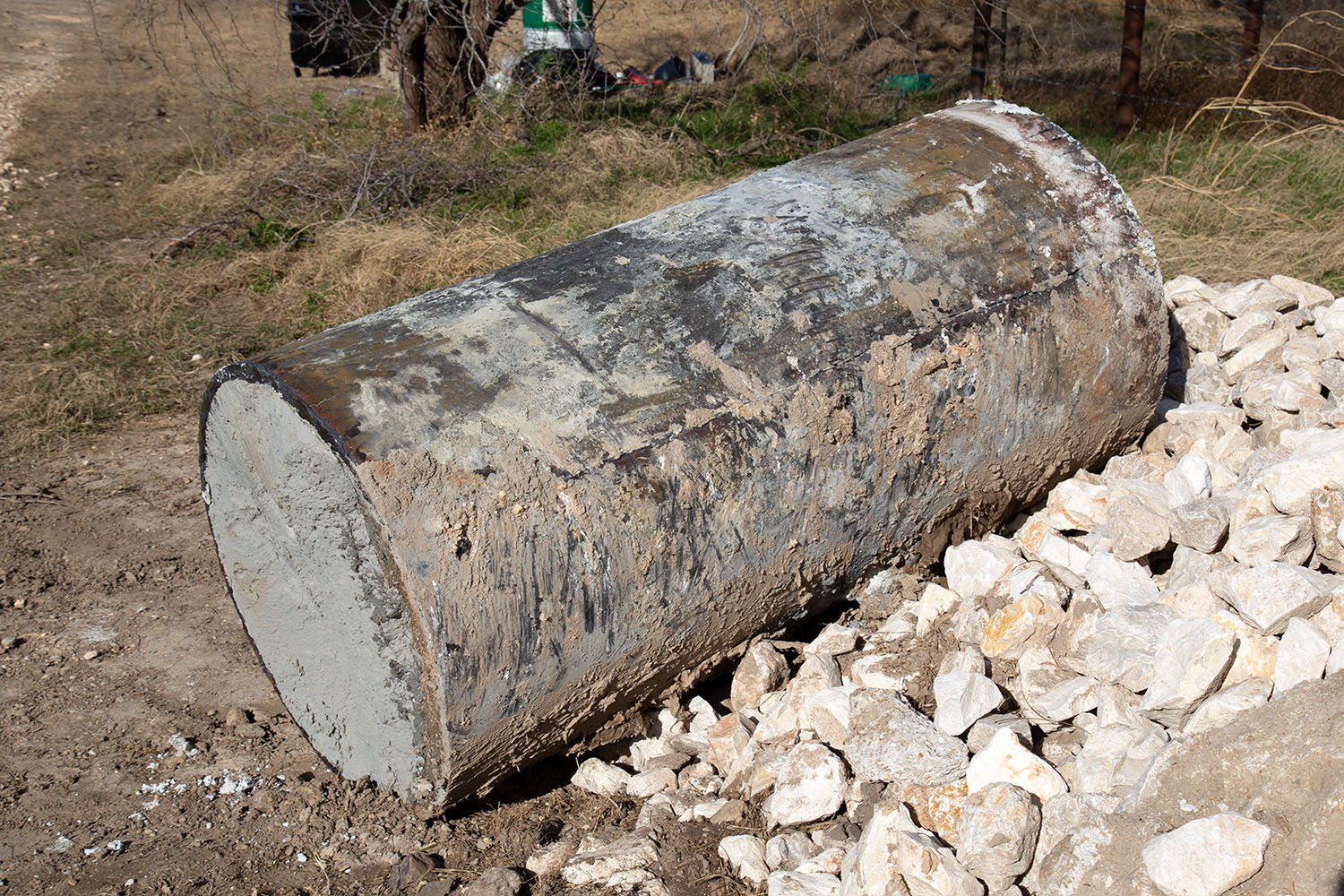
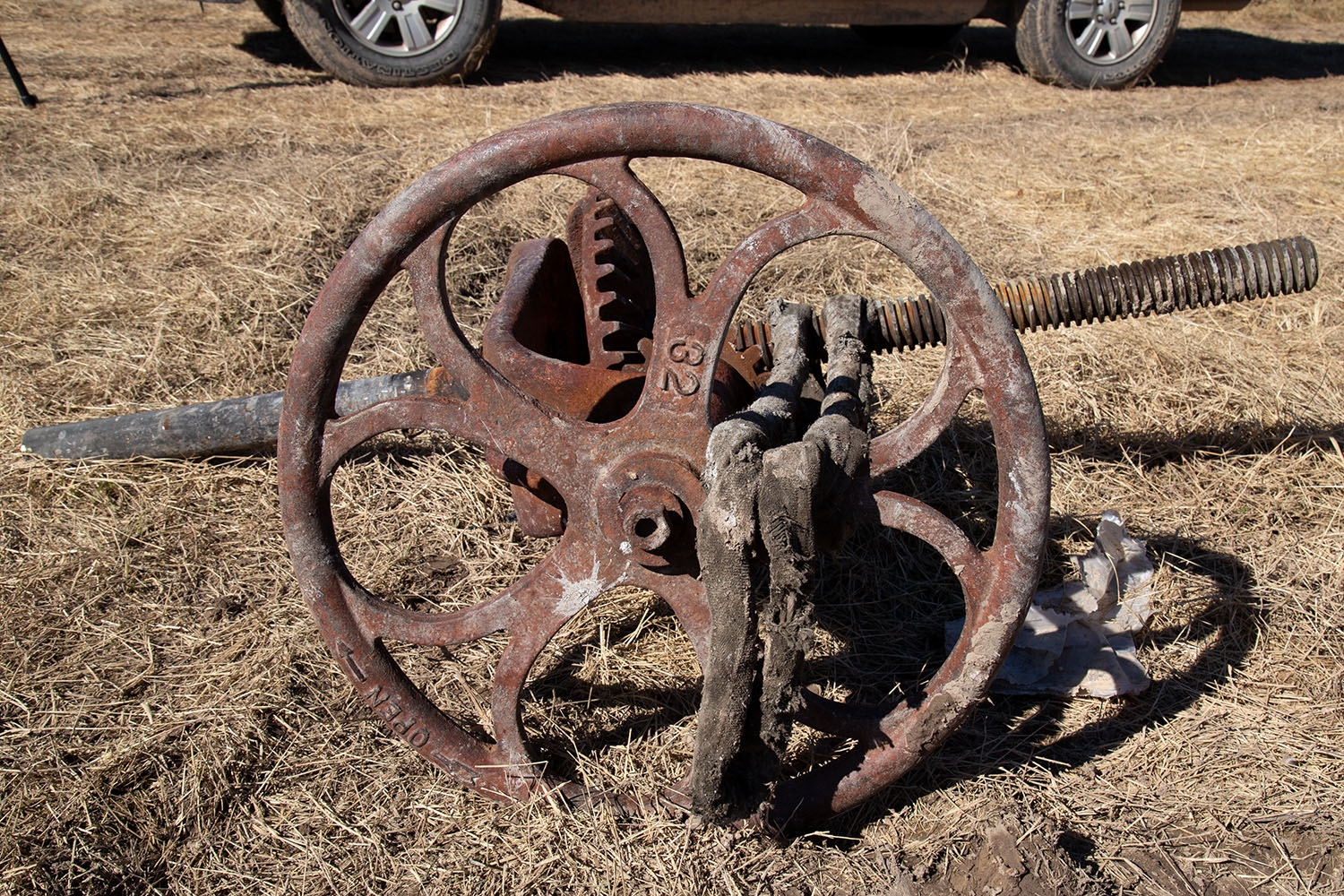
Some photographs of the 2018 well plugging.
|
||||||||||||||||||||||||||||||||||||||||||||||||||||||||||||||